
On May 6, 2025, the long-awaited Indo-UK Free Trade Agreement (FTA) was signed. The deal—years in the making and shaped by shifting political and economic winds—marks a milestone in Indo-British economic relations. And why not. It promises zero-duty access for British automobiles, whisky, and select machinery, while opening the UK to Indian textiles, pharma, and IT services—creating a win-win trade corridor for both countries.
But what arguably attracted the most attention within India's agrifood circles is what didn't make it into the agreement: dairy.
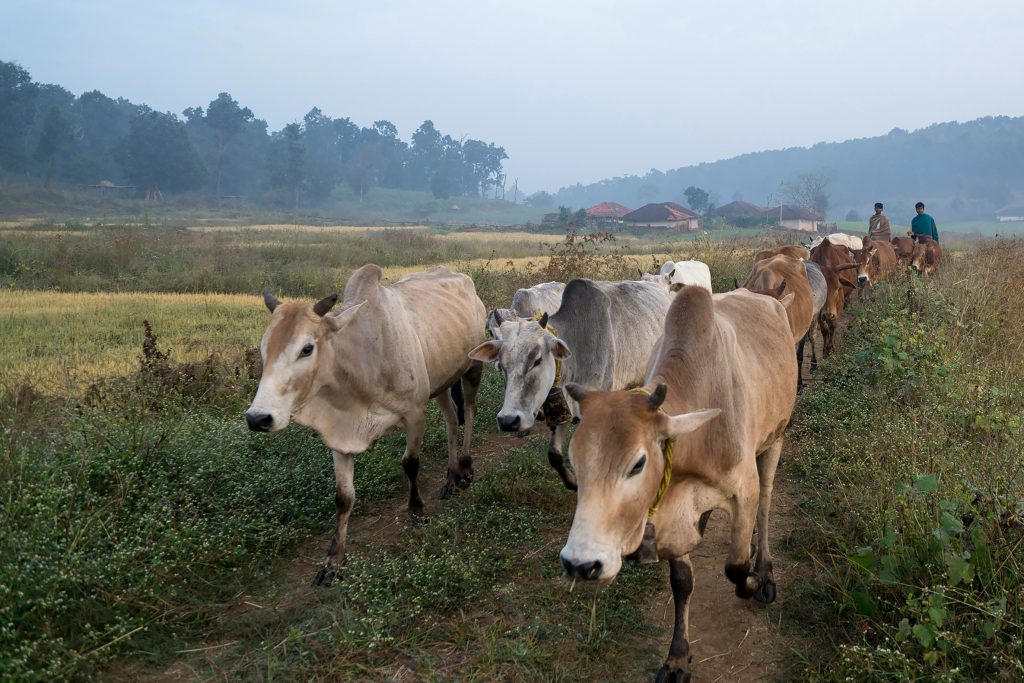
India's Commerce Minister Piyush Goyal deserves due credit. His unwavering stand throughout the negotiations ensured the protection of India's dairy sector, a politically sensitive and socially vital part of the rural economy. More than 80 million Indian households, most of them women and smallholders, rely on dairy as a primary or
supplementary source of income. Given this reality, keeping dairy out of the FTA was a protective – and necessary – measure, at least in the short term.
But can protectionism be a good strategy for the industry and for the consumers in the longer term?
My recent LinkedIn post on this subject, which opened with the line "Dairy: Protected Today. Competitive Tomorrow?” has prompted this deeper reflection. The post struck a chord with many industry professionals and policy thinkers, generating engagement, debate, and valuable insights.
To reiterate the core of that post:
"India exports barely 1% of its 230+ million tons of milk. Global brands dominate the premium categories—cheese, whey, infant nutrition. Categories we could serve, but don’t. If India wants to become a dairy superpower, not just the largest milk producer, we must shift from defensive to transformational thinking.”
This perspective found strong resonance in the comments from stalwarts, analysts and keen industry watchers:
- Rahul Kumar of Parag Milk Foods noted: "This all comes from the cooperative sector. These kinds of actions ensure more inefficiency. Why doesn’t Amul export to the world and demonstrate its merits?"
- Kuldeep Sharma (Advisory Services) raised a sharp point: "We wish to export to practically all the countries in the world but we don’t want to import from any of them. We are depriving our consumer of high-quality, innovative dairy products and denying processors the chance to benchmark against the best."
- Rajeev Kondapalli (Red Mountain Consulting LLP) wrote: "Such a refreshing post.
We need to think beyond protectionism and prepare to compete globally." - Prashant Tripathi (Bridging Indian Dairy with the World) added: "I 100% agree. We should be open to leveraging imports where they will benefit our consumers." These are very important voices. They represent a growing sentiment in India’s dairy and food processing sector that while protection may be politically prudent today, it cannot be our policy forever.
The Case for Inclusion in the Long Term
India produces over 230 million tons of milk annually, more than any other country in the world. Yet our share in global dairy trade is negligible. We are not shaping global standards or branding. We are not meaningfully present in high-value categories like aged cheese, organic whey, or infant formula. Most of these markets are cornered by companies from New Zealand, the EU, and the US.
Why? Because we have built a domestic-centric dairy policy that maximizes production and inclusivity – but not competitiveness.
Meanwhile, Indian consumers, especially the urban middle class and Gen Z, are increasingly open to experimenting with global cuisines and products. From artisanal cheeses to protein- rich dairy-based fitness supplements, demand is growing for variety, quality, and innovation. However, protectionist barriers restrict consumer access to these high-end, niche, and often healthier choices.
In a consumer survey by LocalCircles (2024), over 62% of urban respondents expressed interest in trying premium international dairy products if made affordable and available. The same survey found 58% dissatisfaction with the variety and quality of high-protein dairy products available in India. Controlled imports can act as both exposure and incentive—encouraging domestic brands to level up.
Moreover, limited competition can stagnate quality. Controlled imports—particularly in premium categories—can force Indian processors to innovate, upgrade quality, and become globally benchmarked. This benefits not just global trade ambitions, but domestic consumer welfare.
The Way Forward: Milestones for a Transformational Dairy Strategy
- Export-Oriented Production Clusters: Identify and incentivize zones with surplus milk, modern infrastructure, and export potential to specialize in premium, value- added dairy products.
- Quality and Compliance Infrastructure: Invest in food safety labs, cold chains, and traceability systems to meet international standards. India's exports often fall short on SPS (Sanitary and Phytosanitary) and TBT (Technical Barriers to Trade) compliance.
- Skilling and R&D: Encourage innovation in dairy processing and packaging through R&D partnerships with universities and the private sector. Train farmers and processors in best-in-class hygienic practices and quality control.
- Global Brand Building: Support Indian dairy brands to go global through strategic
promotion and participation in international food expos. - Gradual Opening with Tariff Safeguards: Consider phased tariff reduction schedules tied to domestic preparedness, like a 5- to 7-year window to build competitiveness.
- Consumer Choice and Benchmarking: Allow limited, tariff-controlled imports of premium international dairy products to expose Indian consumers and processors to global benchmarks. Over time, this can help Indian companies innovate to match global standards and tastes.
Conclusion: Don’t Just Protect—Prepare and Perform
The exclusion of dairy from the Indo-UK FTA may have been the right call for today. But let us not confuse protection with progress. Let this moment serve as a wake-up call to reimagine Indian dairy not as a sector to be shielded indefinitely, but as one that can shine globally.
Transformation doesn’t begin at the negotiating table. It begins at the grassroots, in the policies we draft, the investments we make, and the mindset we cultivate.
Being the world’s largest dairy producer is not enough. India must now become the most respected, most competitive—and most future-ready.
Let’s move from protection to preparation—and from preparation to performance, while delivering not only farmer prosperity but also consumer delight.


